Rajasthan Palace Tourism: A Royal Trail Through India's Land of Kings
Rajasthan's grand palaces bring together Rajput courage, Mughal design, and the splendour of former royal courts.
Royal Heritage of Rajasthan
Rajasthan, known as the "Land of Kings", is home to some of India's finest palaces and forts. These historic sites are beautiful, but they also share stories of Rajput rulers, Mughal influence, royal customs and life at court over many centuries. Rajasthan tourism thrives on this rich heritage that covers former residences of maharajas and queens, as well as sites connected with celebrated warriors.
The state appeals to history enthusiasts, architecture fans, heritage property seekers and travellers seeking a memorable holiday. Its palaces feature detailed designs and showcase the region's rich culture.
Amber Fort and City Palace: Royal Highlights of Jaipur

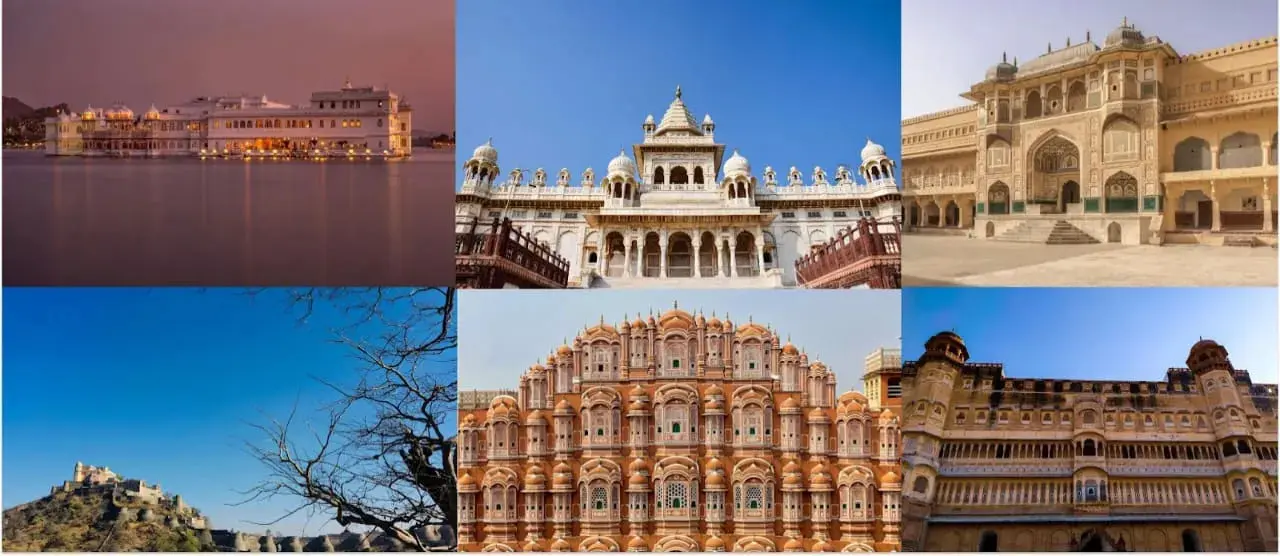
A tour of the palaces of Rajasthan should start in Jaipur, the Pink City. Amber Fort, perched on a hill above Maota Lake, is one of India’s most famous historic landmarks. Construction of the fort-palace was started by Raja Man Singh I in the 16th century.
Its most famous feature is the Sheesh Mahal, also known as the Mirror Palace. Thousands of tiny mirrors adorn its walls, creating a dazzling display when candlelight hits them.
Many visitors travel up the stone path by elephant, creating a memorable link with the fort's royal past. In central Jaipur, the City Palace brings Rajput and Mughal styles together. Part of the complex remains the residence of the former royal family. Its museums display court clothing, weapons, and other royal objects.
The Chandra Mahal and Mubarak Mahal are two of its main attractions. Their rooms, gateways, and courtyards reveal the wealth of Jaipur's earlier rulers. The complex is an essential stop for anyone interested in Rajasthan's history and heritage.
Udaipur: City of Lakes and the Lake Palace

Known as the "Venice of the East", Udaipur is home to the Lake Palace, one of India's most romantic royal buildings. Set on Lake Pichola, the white marble palace began as a summer escape for the Mewar rulers. It is now a luxury heritage hotel. Its glowing beauty at sunset attracts honeymooners and filmmakers alike.
On the lake's shore, Udaipur's City Palace forms the largest palace complex in Rajasthan. Several Maharanas added to it over almost four centuries, creating a mix of Rajasthani, Mughal, medieval, European and Chinese design.
Visitors can walk through its courtyards, balconies, towers and domes. Many areas provide wide views across the Aravalli Hills and Lake Pichola. Inside, the palace museum displays fine miniature paintings, mirror designs and coloured glasswork.
Jodhpur's Mehrangarh Fort and Umaid Bhawan Palace

Jodhpur, known as the Blue City, is home to the mighty Mehrangarh Fort. Built on a rocky hill around 400 feet above the city, it ranks among India's largest and best-kept forts. Huge walls surround richly decorated palaces, while the museum contains royal palanquins, weapons, armour and paintings.
Together, they reveal much about Rajput rule and courage. Umaid Bhawan Palace is just as striking and remains one of the largest private homes in the world. Constructed during the 1920s and 1930s to provide work during a famine, the
Art Deco palace blends Indian features with Western design. The building now has three uses. Part of it is a Taj luxury hotel, another section houses a museum, and the royal family still lives in the remaining area. This unusual mix brings together royal history and modern comfort.
Bikaner, Jaisalmer and Beyond

Rajasthan’s palace trail extends far beyond the popular cities of Jaipur, Udaipur and Jodhpur. In Bikaner, Junagarh Fort was built by Raja Rai Singh and resisted repeated attacks without ever being captured. Inside, the Anup Mahal and Karan Mahal contain intricate frescoes and gold-leaf work, illustrating the high standard of art enjoyed by the royal court.
Jaisalmer's Golden Fort, or Sonar Qila, rises from the Thar Desert. Its golden sandstone takes on a rich glow as the sun sets. Unlike many forts that now sit empty, Jaisalmer Fort is still home to thousands of people.
Residents live along its old lanes, run shops, and occupy its historic havelis. Visitors can therefore see daily life continuing within a medieval town, alongside grand royal buildings.
Heritage Hotels: Sleeping Like Royalty

A stay in a former palace is one of the highlights of Rajasthan's heritage travel. Several royal residences have become luxury hotels while keeping their historic character. These include Rambagh Palace in Jaipur, Taj Lake Palace in Udaipur, and Umaid Bhawan Palace in Jodhpur.
Guests can enjoy grand rooms, rich decoration, and personal service shaped by old royal customs. The experience offers much more than an overnight stay in a hotel. It gives travellers a taste of court life in a carefully preserved setting.
Best Time to Visit and Travel Tips
The most comfortable months for visiting Rajasthan's palaces are October to March. The cooler weather makes sightseeing easier, while summer temperatures can rise above 40°C. Desert towns such as Jaisalmer can feel cold after sunset in winter, so warm layers are useful. A full visit to the main palace cities usually needs at least seven to ten days.
A local guide can add useful detail, since many palace stories and small historical facts do not appear in guidebooks. Visitors should also follow clothing rules and observe photography limits in restricted areas. These measures help protect the character of the historic sites.
A Royal Experience Across Time
Rajasthan's palaces offer more than striking architecture. They reveal a history shaped by bravery, romance, skilled workmanship, and royal power. Lake Palace has a beautiful setting on Lake Pichola, whilst the mirrored rooms at Amber Fort show the care and skill behind its design. Each site tells a different story about the rulers who lived there.
Rajasthan palace tourism is ideal for travellers who want a holiday that blends comfort, culture and history. The maharajas who built these grand halls and courtyards are still remembered today. Visiting the palaces gives travellers a glimpse into royal life, rather than simply taking them from one landmark to the next.