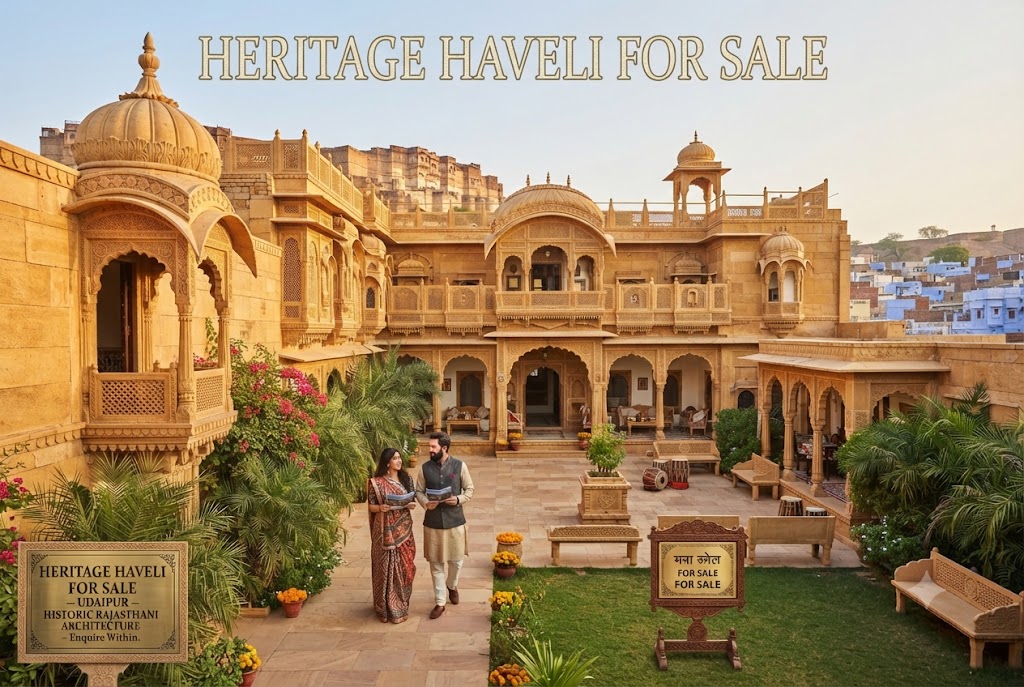
Heritage Properties for Sale - Everything You Need to Know Before Buying
Historic homes can be captivating, but their stories often come with planning limits and expensive repairs. Check the legal position, finance, investment case and buying process before you plan to go ahead.
Heritage properties investment in India can feel more personal than buying a modern home. A palace courtyard, colonial bungalow or old haveli may offer character that new construction cannot reproduce.
However, history alone does not make a property practical or profitable. Careful checks on ownership, permitted use, restoration and funding should come before emotion.
Heritage Properties for Sale: What Buyers Need to Know First
In India, a heritage property may be formally protected, located within a heritage precinct, or simply recognised locally for its age and design. Palaces, forts, havelis, colonial homes, temples and vintage estates all fall into this broad category, but they do not share the same rules.
When reviewing heritage properties for sale, assess more than the façade. Location, road access, water and power supply, title history and permitted use can determine whether the building works as a private residence, boutique hotel, event venue or commercial project.
The difference between a protected landmark and a historic home
An officially protected building may face strict limits on demolition, extensions, exterior paint, signage and modern installations. Archaeological controls may also apply to properties near protected monuments.
A building in a heritage zone can have planning restrictions even if it is not individually listed. By contrast, an old home with architectural value may have fewer formal controls, although local approvals still matter. Confirm the property's status in writing with the relevant planning authority before making an offer.
Where to find forts, palaces and heritage estates in India
Specialist estate agents, local property advisers, auction notices, royal family estates and commercial listings can all reveal unusual opportunities. Searches for forts and palaces for sale in India often uncover properties offered for lease, joint development or partial ownership rather than a straightforward freehold sale.
Heritage estates for sale in North India can range from former royal residences in Rajasthan to large colonial-era homes in hill stations. A vintage estate for sale may look well maintained online, yet a site visit can reveal poor access, vacant outbuildings or neglected services. Visit more than once, ideally with a surveyor.
The Legal and Financial Checks to Complete Before Buying
A reliable heritage real estate guide starts with independent advice. Hire an Indian property solicitor or qualified advocate, a conservation architect and an independent surveyor. An agent's description and fresh paint are not proof of a sound purchase.
Check the title, approvals and restrictions
Ask your legal adviser to review the ownership chain, clear title, encumbrance certificate, land records, tax receipts and any litigation. They should also check approved plans, access rights, occupancy status, tenancy claims, zoning and heritage notifications.
Confirm that the seller has the right to transfer the property. Also establish what you may do after completion: live there, alter it, run a hotel or host events. State and local planning permissions may apply, while archaeological restrictions can add another layer.
A practical legal guide to buying heritage property should make the sale agreement conditional on satisfactory due diligence and required approvals.
Budget for restoration, running costs and hidden repairs
Heritage property restoration costs vary sharply with location, scale, condition and restrictions. The purchase price is often the smallest surprise.
Commission surveys for roofs, foundations, damp, drainage, timber, electrical systems and plumbing. Include fire safety, accessibility, specialist materials, skilled craftspeople, consultant fees and routine maintenance. Obtain a conservation work schedule and several written estimates before exchanging contracts.
A sound-looking exterior can conceal failing services and structural defects that cost more than cosmetic restoration.
Understand funding, insurance and tax before making an offer
Standard mortgages may not suit unusual, listed or partly commercial buildings. Speak to lenders early, particularly if the property needs major work or earns hospitality income.
Likewise, ask specialist insurers about fire, flooding, public liability, vacant periods and restoration works. Obtain current Indian tax advice on stamp duty, registration, capital gains, GST where relevant, and income from hospitality use. Charges vary by state and transaction type.
How to Judge Heritage Property Investment in India

Heritage property investment in India can combine personal enjoyment with an income plan, but the numbers must work without optimistic assumptions. A property may become a home, museum, holiday rental, venue, or hotel, but each use has different capital needs and permissions.
Calculate the full acquisition and restoration cost first. Then test expected income against operating costs, realistic occupancy, delay allowances and likely exit options.
Choose the right use, from a private home to a heritage hotel
A heritage hotel conversion guide should cover more than attractive bedrooms. Guest rooms, kitchens, bathrooms, fire exits, parking, staff areas, food licences and accessible facilities can require substantial changes. Interiors deserve just as much planning as structure: matching period detailing with modern comfort is a specialist job, and buyers increasingly turn to designers who work specifically within heritage constraints to get furnishings, finishes and layouts right without compromising the building's character.
For a heritage resort investment in India, check land use, water supply, environmental concerns, transport links and seasonal demand. Commercial conversion usually needs more approvals and investment than residential occupation.
Weigh the benefits against the risks
Historic buildings offer distinctive character, cultural value, tourism appeal and limited supply. A well-run property can also develop a strong identity in a crowded hospitality market.
Still, slow approvals, specialist repairs, climate damage, poor access and weak resale demand can reduce returns. Local opposition and changing travel patterns also matter. A beautiful property is not automatically a sensible investment if the plan depends on high occupancy or rapid price growth.
A Safer Buying Process from Viewing to Completion
Treat the purchase as a staged project rather than a standard house sale.
- Define your intended use and shortlist properties that can support it.
- Inspect each site more than once, then appoint legal, conservation and survey professionals.
- Verify title, heritage status, restrictions, approvals and full restoration costs.
- Secure finance and insurance, then negotiate protective conditions in the sale agreement.
- Complete final inspections, obtain necessary permissions and register the transfer correctly.
Keep a contingency fund for repairs and delays. Walk away if ownership, permitted use or costs remain unclear.
Final Thoughts
Buying a heritage property is a long-term commitment with architectural, legal and financial consequences. Confirm its protection status, title, permitted use, restoration budget, funding and insurance before signing anything.
The right heritage property investment in India can preserve an important building and create lasting value. That outcome depends on paperwork and numbers that are as sound as the architecture.
Ready to take the next step? Once the legal and financial groundwork is in place, the interiors are what turn a restored heritage property into a place people actually want to live in, stay at, or work from.
FortinRajasthan's interior design division specialises in turning heritage spaces into fully finished environments — from luxury residences and apartments to modern corporate offices — handling the design and fit-out end-to-end so the building's character carries through into every room. Get in touch with our team to discuss your project.