How to Blend Modern Luxury with Traditional Heritage Interiors
Old-world charm and sleek modern comfort don't have to fight for space in your home. Here's how to layer both without your living room looking like a museum.
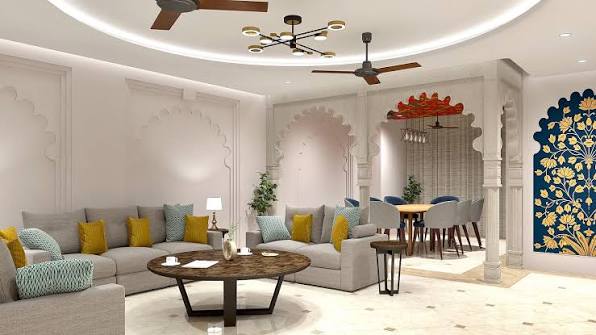
Walk into most homes today, and you'll see one of two things. Either everything is glass, white walls, and furniture so minimal it barely looks lived in. Or it's wall-to-wall antiques and carved wood that feels like a period drama set. Neither one feels like a home you want to relax in every day. What most people actually want, even if they've never called it this, is modern heritage interior design living room — a place that keeps its history but still fits how they live today.
It's not about picking a side. It's letting a carved wooden console sit next to a sleek glass coffee table, or hanging a contemporary painting above your grandmother's old sideboard. That's why modern heritage interior design has become such a big deal lately. Done right, it adds depth and comfort at once. Done wrong, it just looks confused.
Why This Mix Actually Works
Luxury interior design trends keep circling back to this blend of old and new for a reason. Pure minimalism can feel cold after a while. Pure traditional design can feel stuffy. Mixing the two solves both problems.
Heritage pieces bring warmth. A hand-carved door frame, an inherited rug, a brass chandelier — these carry history, and history makes a room feel grounded. Modern elements bring ease: clean-lined sofas, low-maintenance finishes, smart lighting. Together, you get rooms that feel rich without feeling staged.

Start With the Bones of the Room
Before you touch furniture, look at what your walls, floors, and ceilings are already doing. If you have original architectural details — skirting boards, arched doorways, exposed beams — don't cover them up. Let them do the heavy lifting. The best traditional interior design ideas aren't about adding anything new; they're about noticing what's already there. Most solid luxury heritage home renovation ideas start here, not at the furniture showroom.
Working with a newer build? You can still fake a bit of age gracefully. Wainscoting and moulding ideas add traditional texture to plain walls without a full renovation — a picture-frame pattern on a dining wall, paired with a modern table, reads as far more considered than a bare white box. That's the heart of modern house heritage interior design: borrowing the language of old homes without pretending to be one.
That's the foundation of good traditional interior design ideas in a modern shell — you're not copying an old house; you're borrowing its bones.
Pick One Era to Anchor the Room
A common mistake people make when they try how to mix modern and traditional decor for the first time is throwing in pieces from five different eras and hoping it works out. It rarely does. Pick one traditional style to anchor a room — Georgian, colonial, or a regional heritage style — and build around that.
Once you've got your anchor, bring in modern pieces that complement rather than compete. A colonial-style four-poster bed can sit next to a minimalist bedside lamp. A carved dining table works fine with modern upholstered chairs. That restraint is the difference between a modern heritage interior design living room that feels curated and a modern classic living room that just feels crowded.
Let Materials Do the Talking
Materials are where old and new blend most naturally. Think dark, glossy wood with brushed brass or matte black fixtures. Or a velvet sofa in a jewel tone on a polished concrete floor. These pairings create contrast without clashing, because good materials carry weight regardless of era. It's the same logic behind most luxury mansion interior design styles — the material talks, not the label.
It's no accident that most luxury interior design trends 2026 point back to material quality over flashy branding. This is where old money interior design gets its appeal — leather that softens over time, wood that develops a patina, stone cut with real craftsmanship. None of it screams for attention. It just looks expensive because, honestly, it is.
Furniture: Mix, Don't Match
If you're still figuring out how to mix modern and traditional decor without it looking like a garage sale, furniture is the easiest place to start. Mixing antique and modern furniture doesn't mean buying mismatched pieces at random — it means being deliberate. One statement piece per room is usually enough: a vintage cabinet, an heirloom mirror, a reupholstered wingback chair. Surround it with simpler contemporary pieces so it gets to be the star.
This works in smaller spaces too. Some of the smartest apartment interior design ideas use exactly one heritage piece per room, because there simply isn't space for more — and that constraint usually improves the result.
If you've inherited furniture from family, this approach is a gift. You don't need to redecorate a whole room around grandma's writing desk — give it space to breathe next to something clean and current, and it'll look intentional rather than out of place.
If all this planning feels like a lot to coordinate alone, you're not alone. Plenty of homeowners bring in interior designers in India who work specifically with heritage material — sourcing the pieces, managing the craftsmanship, handling execution end to end so nothing feels off.

Getting the Transitional Balance Right
If pure traditional feels too heavy and pure modern feels too bare, transitional style interior design is basically built for you. It's the middle ground — classic silhouettes with clean, updated detailing. Think a traditional roll-arm sofa upholstered in plain modern fabric instead of a busy print. Scale it up and you land near the luxury mansion interior design styles people save to their mood boards.
This style works especially well in contemporary heritage design projects, where you're renovating an older property but don't want it frozen in time. It respects the building's history while making it liveable for how people actually use homes today — open layouts, better lighting, less clutter. Good modern house heritage interior design always solves for both.
The Small Details That Tie It Together
Once the big pieces are sorted, details make a space feel finished. Lighting is huge — an ornate chandelier over a plain modern dining table does more work than you'd expect. Textiles matter too: a traditional rug pattern in muted, modern colours bridges old and new better than anything too literal.
Don't forget art. A gallery wall mixing old family portraits with modern prints tells a better story than an all-matching set from a catalogue. Little inconsistencies make a home feel collected over time, not staged in a weekend. The best luxury heritage home renovation ideas leave room for that slow layering.
At its heart, that's what transitional style interior design is about — not a rulebook, but a mindset. Blending modern luxury with traditional heritage interiors isn't a formula you copy from a magazine. It's a slow process of choosing what to keep, what to update, and what to let shine on its own. Get it right and you end up with a home that feels timeless instead of trendy.
Ready to bring this balance into your own home? FortinRajasthan's interior design division specializes in complete, turnkey heritage interior design — from luxury residences and apartments to modern corporate offices. Reach out to us and let's design a space that honours the past while living comfortably in the present.