How to Restore a Heritage Property - Step-by-Step Guide
Restoring a heritage property takes careful planning, patience and respect for its original character. This guide covers each stage, from the first survey to the final decorative details.
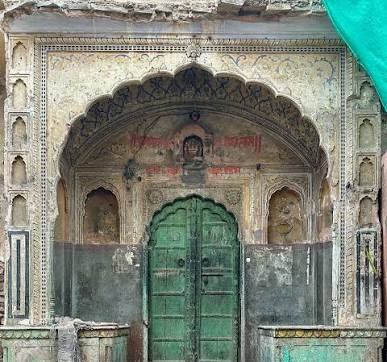
Heritage buildings contain more than bricks, stone and timber. They preserve stories, traditional skills and a strong sense of place that new buildings rarely match. Whether it's a centuries-old haveli in Rajasthan, a colonial-era bungalow, or a fort converted into a boutique residence, heritage property restoration is both an art and a science.
Restoring such a heritage property calls for both careful research and skilled work. A well-planned project can make an old building safe and comfortable while keeping its original character. Poor repairs, however, may remove valuable historic details within a single renovation.
If you are wondering how to restore a heritage property, this step-by-step guide covers the main stages of the work. It begins with the first inspection and ends with the final details, helping you protect the building's character while creating a space that remains practical, safe and attractive for years to come.
1. Start with a Thorough Heritage Assessment
Before any restoration work begins, a detailed structural and historical assessment is non-negotiable. This involves:
- Documenting the original architecture — floor plans, facades, jharokhas, jaali work, arches, and structural elements unique to the property.
- Identifying the building's historical period and style — Rajputana, Indo-Saracenic, Mughal, or colonial influences each demand different restoration approaches.
- Assessing structural integrity — checking foundations, load-bearing walls, roofing, and timber elements for decay, termite damage, or water seepage.
- Consulting conservation architects and heritage restoration experts who understand local building codes and heritage conservation guidelines.
This groundwork determines the scope of the project and prevents costly mistakes later. Skipping this step is one of the most common reasons heritage restoration projects go over budget or lose their authenticity.
2. Secure the Right Permissions and Heritage Approvals
Many heritage properties, particularly havelis, forts, and listed buildings, fall under the state heritage conservation committees or municipal heritage byelaws. Before touching a single wall, you will need:
- Heritage conservation clearance (if the property is listed)
- Municipal building permits for structural changes
- Environmental clearances, if applicable
- Sign-off from a licensed structural engineer
Restoration without proper approvals can lead to legal complications, fines, or forced reversal of work. So, this step protects both your investment and the property's legacy status.
3. Stabilise the Structure First

Once assessments and approvals are in place, structural stabilisation always comes before cosmetic restoration. This typically includes:
- Foundation repair — underpinning or reinforcing weak foundations without disturbing the original footprint.
- Roof and terrace restoration — repairing traditional lime-based roofing, replacing damaged wooden beams, and waterproofing without using modern materials that clash with original construction.
- Wall consolidation — repairing cracks in load-bearing walls using lime mortar and traditional masonry techniques rather than cement, which can trap moisture and damage old stonework.
Heritage buildings were often constructed using lime plaster, sandstone, and locally sourced materials that "breathe" — meaning they allow moisture to escape naturally. Using modern cement-based products can trap dampness and accelerate decay, so material compatibility is critical at this stage.
4. Restore Original Architectural Features

This is where heritage restoration truly comes alive. Focus on reviving the elements that define the property's character:
- Jaali work and jharokhas — intricate stone lattice screens and overhanging balconies should be repaired using matching stone and traditional carving techniques.
- Frescoes and murals — faded wall paintings can often be conserved by specialist art restorers rather than repainted.
- Doors, windows, and woodwork — restoring rather than replacing original teak or sheesham doors preserves both value and authenticity.
- Flooring — traditional Kota stone, marble inlay, or terracotta tiles should be cleaned, repaired, and re-polished rather than replaced with modern alternatives.
It's this careful, layered approach — structural repair paired with genuine architectural detailing — that separates a true heritage restoration from a superficial makeover. Many owners find that this stage benefits enormously from working with a dedicated interior design team that understands heritage aesthetics, since restoring a facade is only half the story; the interiors need to echo the same era-appropriate craftsmanship.
This is precisely the kind of turnkey approach some heritage restoration firms bring to the table. The method involves pairing structural conservation expertise with an in-house interior design division to deliver a completely restored, move-in-ready heritage home rather than leaving owners to coordinate multiple contractors on their own.
5. Upgrade Utilities Without Compromising Character
Modern living demands functional plumbing, electrical systems, HVAC, and fire safety. But these must be integrated discreetly into a heritage structure. Best practices include:
- Concealing wiring and plumbing within non-original partitions or beneath flooring where possible
- Using period-appropriate fixtures (brass fittings, vintage-style switches) to maintain visual continuity
- Installing modern fire safety and security systems in ways that don't compromise original walls or ceilings
- Choosing energy-efficient systems that reduce long-term maintenance without altering the exterior appearance
This step is often where restorations fail aesthetically — visible modern conduits, mismatched fixtures, or intrusive AC units can undo the visual harmony achieved in earlier phases.
6. Select Suitable Materials and Finishes
The final finishes bring the restoration and interior design together. Suitable choices may include:
- Natural lime plaster instead of synthetic paint systems
- Hand-block-printed fabrics and traditional textiles
- Reclaimed or hand-carved furniture suited to the building's period
- Colours linked to the local region, such as ochre, indigo and terracotta in a Rajasthani haveli
New additions should sit comfortably beside the original fabric of the building. The design should support the property's character rather than cover it up.
7. Plan for Long-Term Maintenance
Heritage restoration isn't a one-time project — it requires an ongoing maintenance plan:
- Annual structural inspections, especially before and after monsoon season
- Periodic re-application of lime plaster and traditional waterproofing
- Pest and termite control using methods safe for old timber and masonry
- Documentation of all repairs for future reference and heritage compliance
A well-maintained heritage property not only retains its historical value but often appreciates significantly, especially if converted into a boutique hotel, luxury residence, or heritage-themed commercial space.
Final Thoughts
Restoring a heritage property requires technical knowledge, respect for historic design and access to skilled craftspeople who understand traditional building methods. Every decision, including the choice of mortar, plaster, fittings and furniture, affects the building's long-term condition.
Whether you are restoring a family haveli, creating a luxury residence or converting a heritage building into a corporate office, choose a team with experience in both conservation and modern interiors. FortinRajasthan, together with its interior design division, provides turnkey heritage interior design services for luxury residences, flats and contemporary corporate offices. The team manages structural restoration, interior planning and final styling from one place.
Get in touch with the team to discuss how your property can become safe, comfortable and ready for modern life whilst retaining its original character.